
Nano Ceramic Window Tint in Summerlin, NV is a popular choice for drivers who want more than darker glass. Ceramic film can help manage solar heat, reduce glare, filter ultraviolet radiation, and provide privacy without depending only on a very dark shade. The cost depends on the vehicle, the amount of glass being tinted, the film selected, and the coverage you choose.
Heat rejection deserves just as much attention as cost. Window film companies publish numbers such as infrared rejection, Total Solar Energy Rejection, and Visible Light Transmission. Those percentages measure different things. A film advertising a high infrared-rejection number is not necessarily rejecting that same percentage of all solar energy entering the glass.
Dipped Auto Works provides professional window tinting with carbon and ceramic film choices. If you are considering Nano Ceramic Window Tint in Summerlin, NV, this guide explains what changes the quote, how ceramic tint handles heat, which performance numbers matter, and what to ask before choosing a film.
Table of Contents
- What Is Nano Ceramic Window Tint?
- How Much Does Nano Ceramic Window Tint Cost?
- What Changes Your Window Tint Quote?
- How Nano Ceramic Tint Rejects Heat
- What Does TSER Mean?
- What Does Infrared Rejection Mean?
- Why IR Rejection and TSER Are Different
- Does Darker Ceramic Tint Reject More Heat?
- Nano Ceramic Tint vs Carbon Tint
- Choosing the Right Ceramic Tint Shade
- Nevada Window Tint Rules
- Windshield Ceramic Tint
- Tesla Nano Ceramic Window Tint
- What to Ask Before Choosing Ceramic Tint
- Get a Nano Ceramic Window Tint Quote
- Frequently Asked Questions
- Sources
What Is Nano Ceramic Window Tint in Summerlin, NV?
Nano Ceramic Window Tint in Summerlin, NV uses ceramic film technology designed to control solar energy passing through automotive glass.
The term “nano ceramic” describes a type of ceramic window film construction. Manufacturers use their own film designs and testing methods, so the exact performance varies by product.
3M describes its Ceramic IR Series as using nano-ceramic technology with an absorptive approach to infrared heat. The company publishes separate measurements for Total Solar Energy Rejection, infrared rejection, Visible Light Transmission, UV rejection, and glare reduction.
That separation matters.
A window film is doing several jobs at the same time. It is controlling visible light, interacting with solar energy, filtering UV radiation, and changing the appearance of the glass.
When comparing Nano Ceramic Window Tint in Summerlin, NV, look beyond the word “ceramic.” Ask which exact product will be installed and review its published specifications.
Dipped Auto Works currently lists both carbon and ceramic packages on its window tint service page. The shop’s window tint page for current specials also describes its ceramic option as using nano ceramic technology for infrared heat control.
How Much Does Nano Ceramic Window Tint in Summerlin, NV Cost?
There is no single price that applies to every vehicle.
3M states that automotive window tint pricing changes based on the size and type of vehicle, the area being tinted, and the window film selected.
That is a better way to think about Nano Ceramic Window Tint in Summerlin, NV than relying on a generic online number.
A two-door coupe does not have the same glass layout as a large SUV. Tinting two front side windows is not the same job as covering all side glass, rear glass, and a windshield. An older vehicle with failing film may also require removal and cleanup before fresh film can be installed.
Ceramic film can also sit at a different quote level than carbon or dyed film because you are comparing a different film construction and solar-performance range.
Rather than publishing a price that may not apply to your vehicle, Dipped Auto Works can prepare a quote based on your car and the coverage you want.
Call (702) 379-8716 or use the Dipped Auto Works contact page to request a quote.
What Changes the Cost of Nano Ceramic Window Tint in Summerlin, NV?
Several parts of the job can change the quote.
Vehicle Size and Body Style
Vehicle size is one of the factors 3M lists when discussing automotive tint pricing.
A coupe, sedan, truck, SUV, and crossover can each have a different number of windows and different glass dimensions.
The shape of the rear glass also varies between vehicles.
Number of Windows
Coverage makes a big difference.
You may be tinting:
- Two front side windows
- All side windows
- Rear glass
- Quarter windows
- Windshield glass
- A windshield glare strip
- Large roof glass when suitable for the vehicle and film
Ask exactly which pieces of glass are included when requesting Nano Ceramic Window Tint in Summerlin, NV.
Film Series
Not every ceramic film has the same specifications.
GeoShield’s current automotive film lineup shows this clearly. Its C2 Ceramic, Pro Nano, and Apex Ultra films are all ceramic-based choices, yet they have different TSER and infrared-rejection ranges.
The manufacturer’s current comparison lists:
| GeoShield Film | Technology | TSER Range | IR Rejection Range |
|---|---|---|---|
| C2 Ceramic | Ceramic | 35% to 63% | 71% to 85% |
| Pro Nano | Ceramic | 49% to 66% | 76% to 83% |
| Apex Ultra | Super Ceramic | 49% to 70% | 95% |
These are manufacturer specifications for the listed products. They are useful for showing why the exact film matters. They should not be taken as a statement that every film in the table is included in a Dipped Auto Works package.
Ask which film is being quoted and review that product’s data before making your choice.
Existing Tint
Old window film may need to come off before new film goes on.
Peeling film, adhesive residue, bubbling, or deteriorated tint can add preparation work.
Tell the shop that the vehicle already has film when requesting a quote.
Windshield Coverage
A windshield is much larger than a side window and is usually treated as separate coverage.
Dipped Auto Works lists ceramic windshield tint as an available add-on on its window tint service page.
If you want windshield coverage, mention it when requesting your Nano Ceramic Window Tint in Summerlin, NV quote.
How Does Nano Ceramic Window Tint Reject Heat?
Nano ceramic film is often chosen because of the way it manages solar energy.
The sun sends several forms of energy toward your vehicle. Visible light is only one part of that energy.
This is why a piece of film can appear fairly light while still being designed for strong solar control.
3M’s Ceramic IR Series gives a useful manufacturer example. Depending on the shade, 3M lists up to 66% Total Solar Energy Rejection and up to 95% infrared rejection under the testing methods stated in its product data.
The numbers are different because they measure different parts of solar performance.
What this means is that the darkest-looking film is not automatically the film with the strongest overall heat control.
When comparing Nano Ceramic Window Tint in Summerlin, NV, ask for both the visible-light number and the solar-performance numbers.
What Does TSER Mean for Nano Ceramic Window Tint?
TSER means Total Solar Energy Rejection.
The International Window Film Association explains TSER as the percentage of total solar energy rejected by a filmed glass system.
A higher TSER percentage means less solar energy is transmitted through the tested glass-and-film combination.
For heat control, TSER is one of the most useful figures to compare between films when the products were tested under comparable conditions.
Here is why.
The solar spectrum includes more than infrared radiation. Looking only at an infrared number does not tell you how the film handles all of the solar energy reaching the glass.
When shopping for Nano Ceramic Window Tint in Summerlin, NV, ask:
- What is the TSER?
- At which VLT was the film tested?
- What type of glass was used during testing?
- Is the number for film alone or film installed on glass?
These details help put the percentage into context.
What Does Infrared Rejection Mean?
Infrared rejection measures how a film deals with part of the infrared portion of solar radiation.
You may see the term written as IR rejection or IRR.
High IR numbers sound easy to compare, but the International Window Film Association warns that IRR is not defined by a single national or international test method.
Different manufacturers may test different infrared wavelength ranges.
That can make two percentages look directly comparable when they were measured in different ways.
Dipped Auto Works’ current tint special page describes its nano ceramic technology as blocking up to 96% of infrared heat.
That is an infrared figure. It should not be read as a claim that the film rejects 96% of all solar energy.
For Nano Ceramic Window Tint in Summerlin, NV, compare the infrared figure with TSER and VLT rather than reading the IR number by itself.
IR Rejection vs TSER: What Should Summerlin, NV Drivers Compare?
IR rejection and TSER answer different questions.
IR rejection deals with infrared radiation under a manufacturer’s stated test method.
TSER looks at the percentage of total solar energy rejected by the tested glass-and-film system.
The International Window Film Association recommends using infrared measurements together with TSER or SHGC so shoppers do not confuse a high infrared percentage with total solar heat rejection.
Here is a simple way to read a film specification sheet:
| Measurement | What It Tells You |
|---|---|
| VLT | How much visible light passes through |
| TSER | How much total solar energy is rejected |
| IRR | How much infrared energy is rejected under the stated test method |
| UV Rejection | How much UV radiation is rejected |
| Glare Reduction | How much visible-light glare is reduced |
If two films have similar VLT but different TSER figures, the TSER comparison can tell you more about their overall solar-energy performance.
If one advertisement gives only an infrared percentage, ask for the TSER as well.
That makes comparing Nano Ceramic Window Tint in Summerlin, NV much clearer.
Does Darker Nano Ceramic Window Tint Reject More Heat?
Not necessarily.
VLT and heat rejection measure different things.
Visible Light Transmission tells you how much visible light passes through the filmed glass. A lower VLT normally produces a darker appearance.
TSER tells you about total solar-energy rejection.
A light ceramic film can have strong solar-control properties even though it does not look extremely dark.
3M’s Ceramic IR data makes this easy to see.
Its IR 70 film is much lighter than its IR 5 film, yet both are ceramic films with published solar-control performance. The darker version has a higher TSER within that product family, but both use the same nano-ceramic film concept.
Across different film families, darkness alone becomes an even weaker way to judge heat control.
The real question is: what are the specifications for the exact film and shade you are considering?
For Nano Ceramic Window Tint in Summerlin, NV, pick the shade based on legal limits, visibility, appearance, privacy, and solar performance together.
Nano Ceramic Window Tint vs Carbon Tint in Summerlin, NV
Dipped Auto Works lists both carbon and ceramic tint packages.
Both can change the appearance of the vehicle, reduce glare, add privacy, and provide solar protection. Their film construction and heat-control ranges differ.
GeoShield’s current comparison chart lists its C2 Carbon film with a TSER range of 33% to 65% and an infrared-rejection range of 34% to 83%.
The same manufacturer’s C2 Ceramic is listed with a TSER range of 35% to 63% and an infrared-rejection range of 71% to 85%.
Its Pro Nano ceramic film is listed with a TSER range of 49% to 66%.
These ranges overlap in places.
That is a good reminder not to assume every ceramic film beats every carbon film in every measurement.
When Nano Ceramic Tint May Make Sense
Nano Ceramic Window Tint in Summerlin, NV may appeal to you when:
- Heat rejection is high on your list
- You want a non-metal film
- You want several VLT choices
- You want strong UV filtering
- You spend a lot of time driving during daylight
- You want solar control without choosing film only by darkness
When Carbon Tint May Make Sense
Carbon film may fit your needs when:
- You want a neutral dark appearance
- Privacy is high on your list
- You want glare reduction
- You want non-metal film
- You want to compare a different film level against ceramic
Ask Dipped Auto Works to show you the carbon and ceramic choices available for your vehicle.
Choosing a Shade for Nano Ceramic Window Tint in Summerlin, NV
Ceramic film is available in more than one darkness level.
VLT tells you how much visible light passes through the filmed glass.
A higher percentage is lighter. A lower percentage is darker.
Common automotive film lines may include shades around:
- 70% VLT
- 50% VLT
- 40% VLT
- 35% VLT
- 20% VLT
- 15% VLT
- 5% VLT
Not every film comes in every percentage.
The film percentage is also not always the final VLT of the completed window.
Your factory glass already has its own light-transmission level. The final result comes from the glass and film working together.
For Nano Ceramic Window Tint in Summerlin, NV, ask how the film is expected to measure once installed on your vehicle.
Nevada Rules for Nano Ceramic Window Tint in Summerlin, NV
Film technology does not change Nevada’s window tint rules.
Under NRS 484D.440, a window immediately to the right or left of the driver may have applied film when the window is nonreflective and the total light transmission through the safety glass and material is at least 35%, with a 7% tolerance.
The law treats rear side glass and rear windows differently when the vehicle has outside mirrors on both sides that give the required rearward view.
Nevada also places conditions on material installed on the topmost portion of the windshield.
Check the current statute before selecting a shade because laws can change.
One detail deserves attention: Nevada refers to the total light transmission through the combination of the film and safety glazing.
The number printed on a film sample does not by itself tell you the final VLT after installation.
Windshield Nano Ceramic Window Tint and Heat Rejection
The windshield represents a large glass area, so drivers interested in solar control often ask about ceramic windshield film.
Dipped Auto Works lists ceramic windshield tint among its window tint add-ons.
A lighter ceramic film can be appealing when a driver wants solar performance without making the windshield look heavily tinted.
Any windshield application still needs to follow Nevada law.
Before choosing windshield Nano Ceramic Window Tint in Summerlin, NV, discuss:
- Film VLT
- Final glass-and-film light transmission
- TSER
- Infrared rejection
- Glare
- Daytime visibility
- Night visibility
- Nevada windshield rules
Do not choose windshield film from an infrared percentage alone.
Nano Ceramic Window Tint for Tesla Vehicles in Summerlin, NV
Tesla owners may pay close attention to window-film heat performance because the vehicles can have large glass areas.
Dipped Auto Works has a dedicated Tesla window tint service for owners planning tint work.
If you own a Tesla, ask which pieces of glass will be included in the quote and which film is recommended for each area.
You can also ask how the ceramic tint will look beside factory glass and whether the film manufacturer provides guidance for the glass you want covered.
Nano Ceramic Window Tint in Summerlin, NV can also be planned alongside Tesla paint protection film or Tesla ceramic coating when you are scheduling several vehicle services.
What to Ask Before Buying Nano Ceramic Window Tint in Summerlin, NV
A few direct questions can tell you much more than a sample shade alone.
What Exact Film Are You Installing?
Ask for the manufacturer and product line.
The word “ceramic” does not tell you the TSER, infrared rejection, VLT, or warranty by itself.
What Is the TSER?
Use TSER to understand total solar-energy rejection under the manufacturer’s stated test conditions.
What Does the IR Percentage Measure?
Ask about the wavelength range and test method behind an infrared number.
What VLT Will My Finished Window Have?
Factory glass affects the final measurement.
This matters for both appearance and Nevada law.
What Is Included in My Quote?
Confirm whether your quote covers:
- Front side windows
- Rear side windows
- Rear glass
- Quarter glass
- Windshield
- Glare strip
- Existing-film removal
What Warranty Comes With the Film?
Dipped Auto Works lists lifetime warranty coverage with its carbon and ceramic tint packages.
Ask what the warranty covers and keep the paperwork that comes with the installation.
Get a Quote for Nano Ceramic Window Tint in Summerlin, NV
Nano Ceramic Window Tint in Summerlin, NV should be compared by more than one percentage.
Start with the film itself. Check the VLT, TSER, infrared measurement, UV rejection, and warranty.
Then look at your vehicle. The body style, amount of glass, coverage plan, windshield work, and existing film can all change the quote.
Next steps are simple.
Call Dipped Auto Works at (702) 379-8716 to discuss your vehicle and the ceramic tint choices available, or visit the Dipped Auto Works contact page to schedule an appointment.
You can also review the window tint service page before contacting the shop.
Frequently Asked Questions About Nano Ceramic Window Tint in Summerlin, NV
1. How much does Nano Ceramic Window Tint in Summerlin, NV cost?
The quote depends on the size and type of vehicle, the film selected, and the glass being covered. Windshield coverage and existing-film removal can also change the work involved. Call Dipped Auto Works at (702) 379-8716 or use the contact page for a vehicle-specific quote.
2. Is nano ceramic window tint worth it for heat rejection?
Nano ceramic film is worth comparing when solar heat control is one of your main goals. Manufacturer data shows that ceramic films can provide strong TSER and infrared-rejection figures. Compare the exact film specifications rather than relying only on the ceramic label.
3. How much heat can nano ceramic tint reject?
There is no single percentage for every nano ceramic film. 3M lists up to 66% Total Solar Energy Rejection for its Ceramic IR Series. GeoShield’s current ceramic lineup lists TSER ranges that vary by film and shade. Check the data for the exact product being installed.
4. Does 96% infrared rejection mean the tint blocks 96% of all heat?
No. Infrared rejection and Total Solar Energy Rejection are separate measurements. Dipped Auto Works’ current tint page refers to up to 96% infrared heat blocking for its nano ceramic technology. IWFA recommends considering infrared figures alongside TSER or SHGC because infrared represents only part of solar energy.
5. Does darker ceramic tint block more heat?
Not always when comparing different film products. Darkness is measured through VLT, while solar performance is measured through figures such as TSER. A lighter ceramic film may have stronger solar-control data than a darker film from another product family.
6. What is the legal front side-window tint in Nevada?
Nevada law states that the windows immediately to the right and left of the driver may use nonreflective film when the combined safety glass and film have total light transmission of at least 35%, with a 7% tolerance. Check the current Nevada statute before installation.
7. How do I schedule Nano Ceramic Window Tint in Summerlin, NV?
Call Dipped Auto Works at (702) 379-8716 or visit https://www.dippedautoworks.com/contact-us/. Have your vehicle year, make, model, desired coverage, and tint goals ready so the shop can prepare a quote.
Sources
Automotive Window Film Performance Measurements
- Title: Automotive Education Guide 2026
- Publisher: International Window Film Association
- Publication Date: January 2026
- URL: IWFA Automotive Education Guide 2026
Nano Ceramic Window Film and Heat Rejection
- Title: Auto Films Support
- Publisher: 3M
- Publication Date: Not stated
- URL: 3M Automotive Window Film Support
Ceramic IR Performance Data
- Title: 3M Automotive Window Film Ceramic IR Series Product Brochure
- Publisher: 3M
- Publication Date: 2021
- URL: 3M Ceramic IR Series Product Brochure
Ceramic and Carbon Film Comparison
- Title: Automotive Window Film
- Publisher: GeoShield
- Publication Date: Not stated
- URL: GeoShield Automotive Window Film
C2 Ceramic Specifications
- Title: C2 Ceramic
- Publisher: GeoShield
- Publication Date: Not stated
- URL: GeoShield C2 Ceramic
Nevada Automotive Window Tint Law
- Title: NRS 484D.440, Restrictions on Tinting of Windshield or Side or Rear Window
- Publisher: Nevada Legislature
- Publication Date: Current statute page, date not stated
- URL: Nevada Revised Statutes Chapter 484D
Dipped Auto Works Window Tint
- Title: Window Tint
- Publisher: Dipped Auto Works
- Publication Date: Not stated
- URL: Dipped Auto Works Window Tint
Dipped Auto Works Ceramic Tint Information
- Title: Window Tint Deals
- Publisher: Dipped Auto Works
- Publication Date: Not stated
- URL: Dipped Auto Works Window Tint Information
Best Color Change Wraps in Las Vegas, NV: A Comprehensive Guide
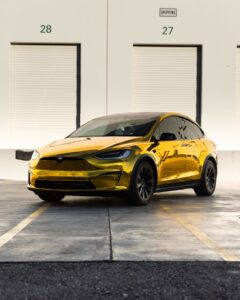
Discover the best color change wraps in Las Vegas, NV, with Dipped Auto Works. From choosing the perfect color to expert installation, learn how to transform your car with a vinyl wrap that suits your style and protects your vehicle. Call (702) 379-8716 to schedule your consultation today!
Product Brand: Dipped Auto Works
5
Pros
- Discover the best color change wraps in Las Vegas, NV, with Dipped Auto Works. From choosing the perfect color to expert installation, learn how to transform your car with a vinyl wrap that suits your style and protects your vehicle. Call (702) 379-8716 to schedule your consultation today!
